Books That Jake Happened to have Read in 2021

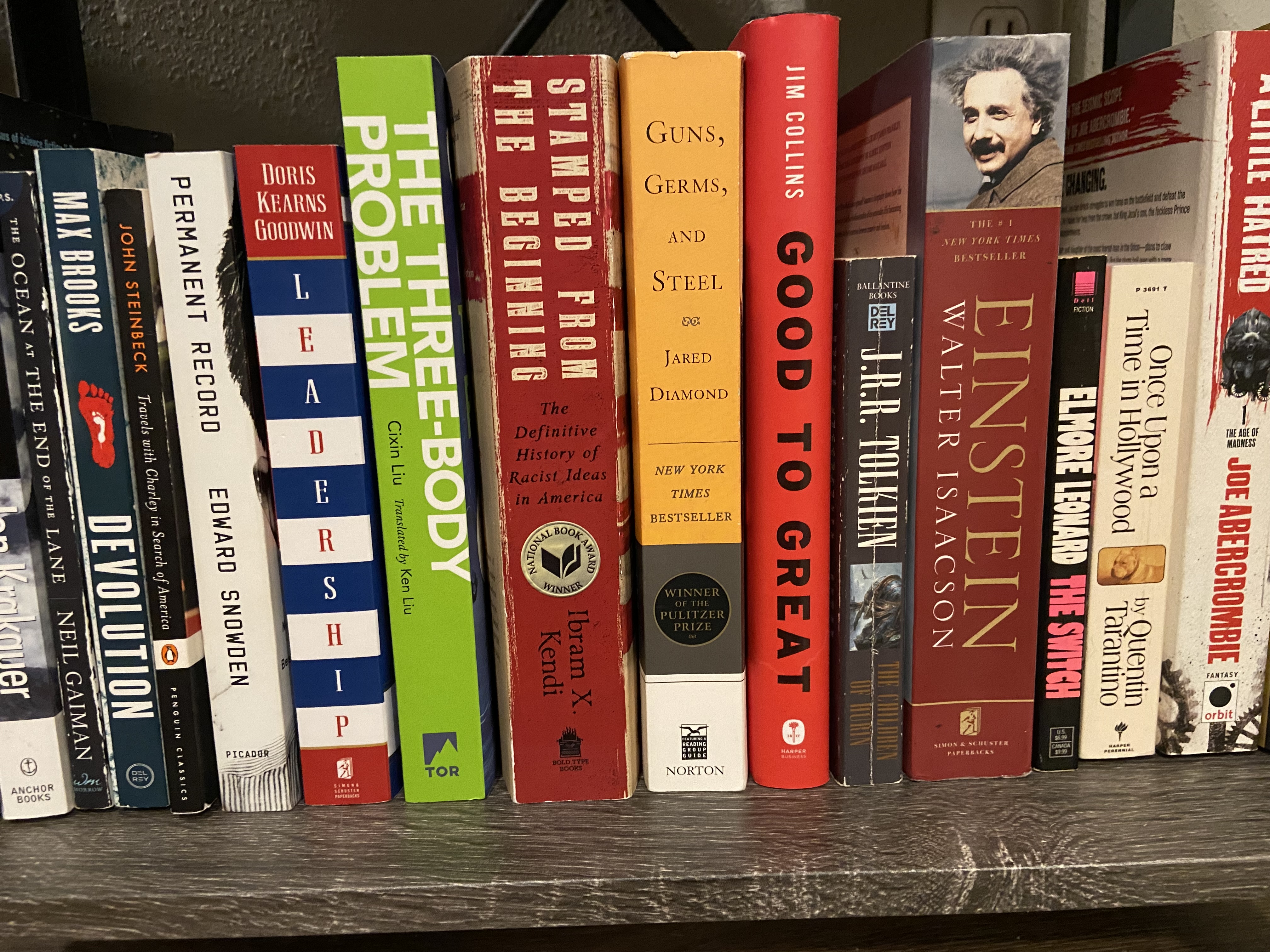
The Shelf

2021, what a year, one of those years where I couldn’t tell you how much happened and everything it meant to me… So I wrote about what i read instead. I hope you will find my insights interesting or enraging and let me know about it.

Out of all I’ve tried to read, I have a few I’ve actually finished and have written a few words on. If you’re interested please leave me a comment or call me in the middle of the night and we can talk about how wrong I got the whole situation or what we both found funny. I hope you enjoy them at least a little bit and let me know if you’ve read any yourself. If you are tight on time check out the Once Upon a Time in Hollywood review, Here’s to 2022, and actually getting through my full reading list list this year. Click through to see my thoughts on each book, and thanks for reading.

A Little Hatred by Joe Abercrombie

Lincoln in the Bardo by George Saunders

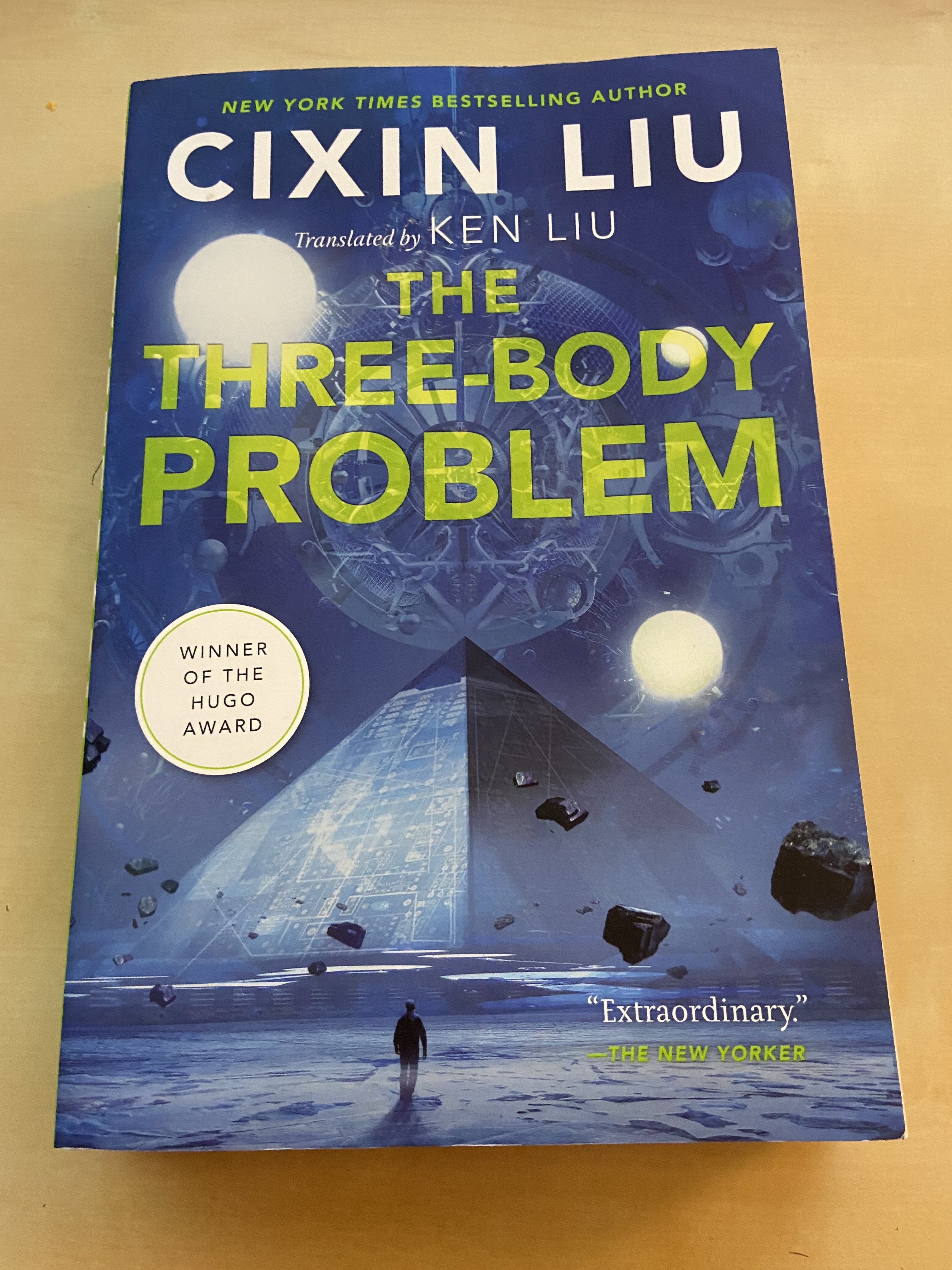
The Three Body Problem by Cixin Liu

10th of December by George Saunders

This is possibly my favorite book (collection of short stories this year), but I haven’t been able to explain why quite yet.

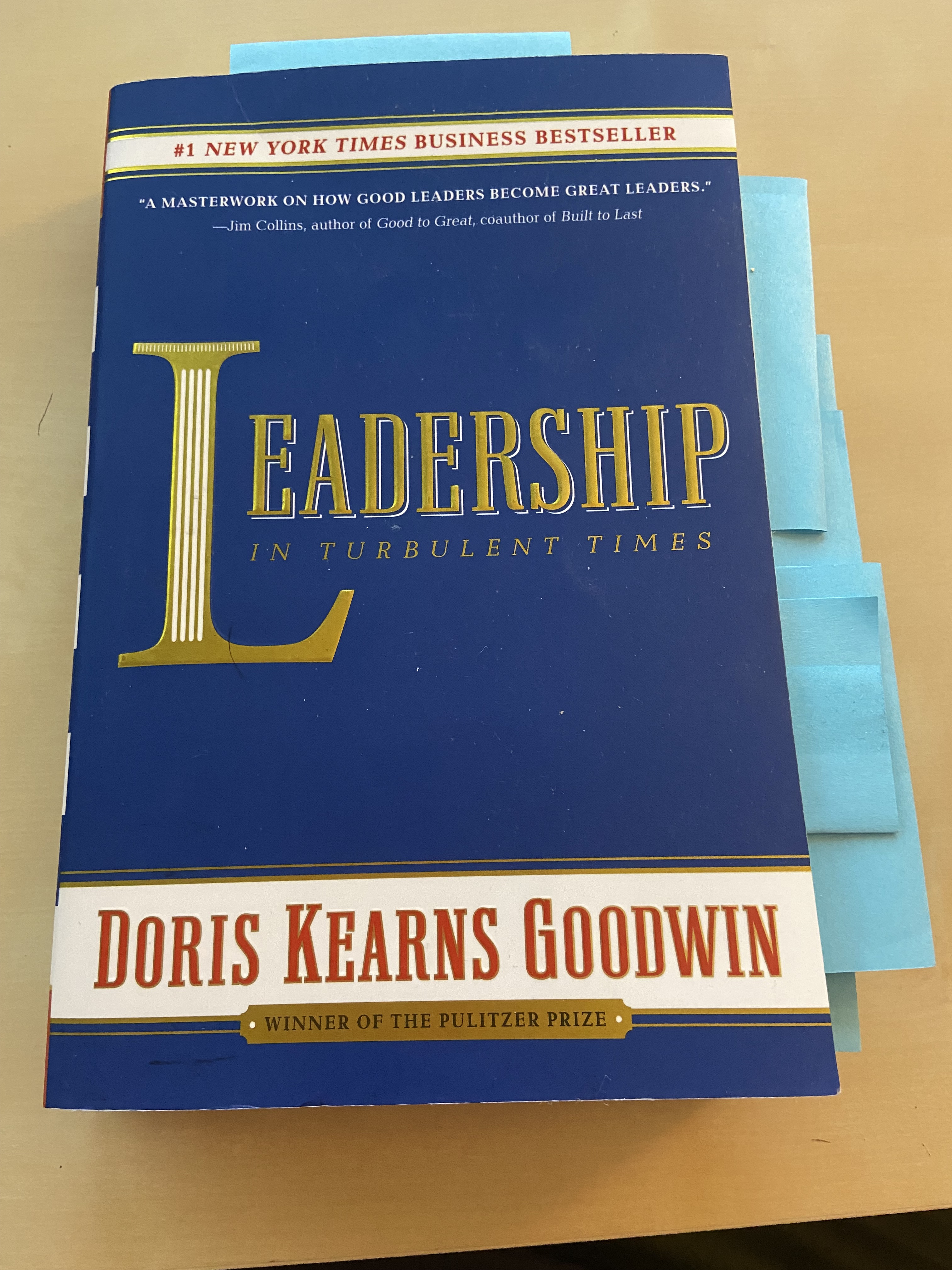
Leadership in Turbulent Times by Doris Kearns Goodwin

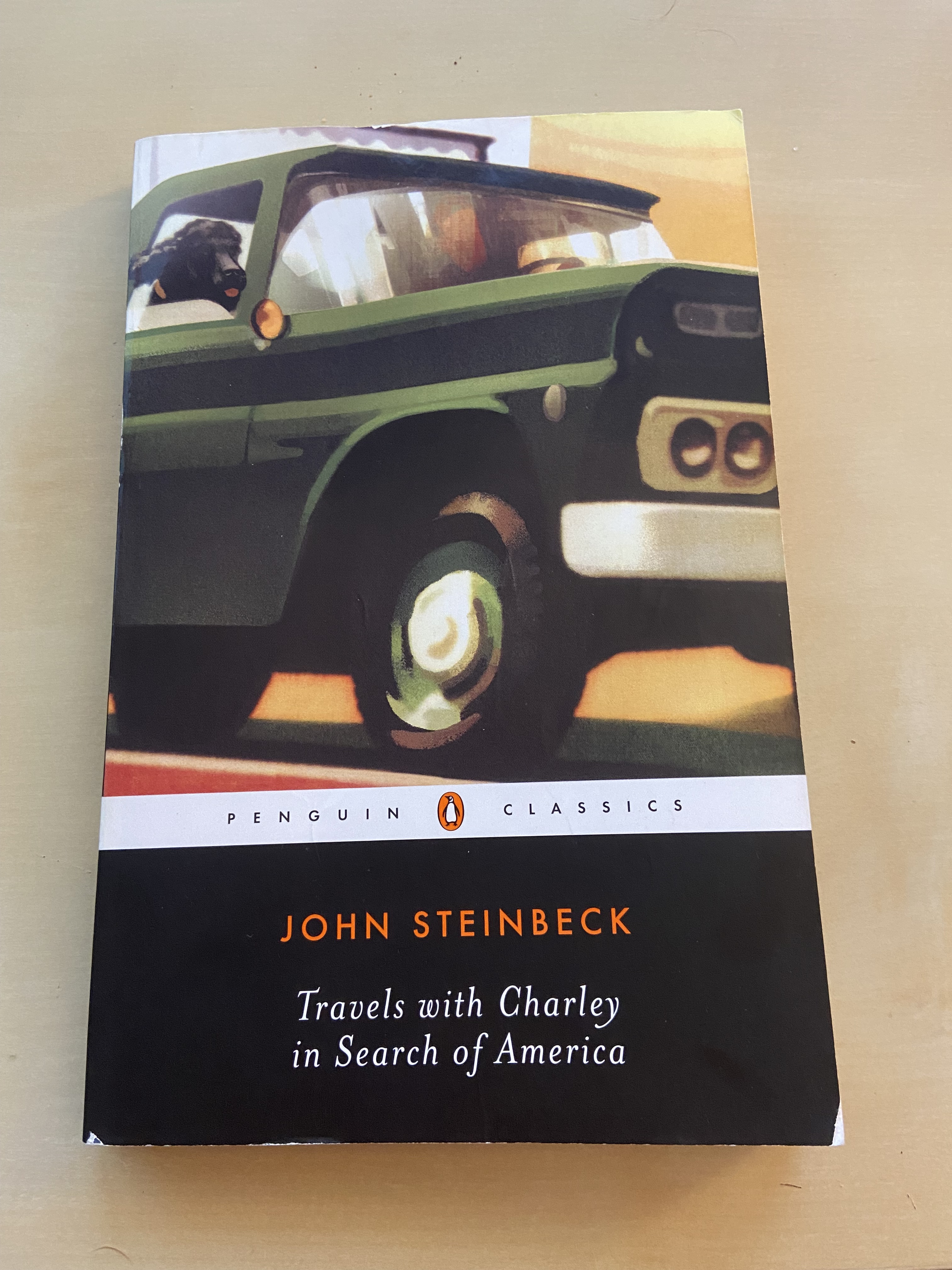
Travels with Charley: In Search of America by John Steinbeck

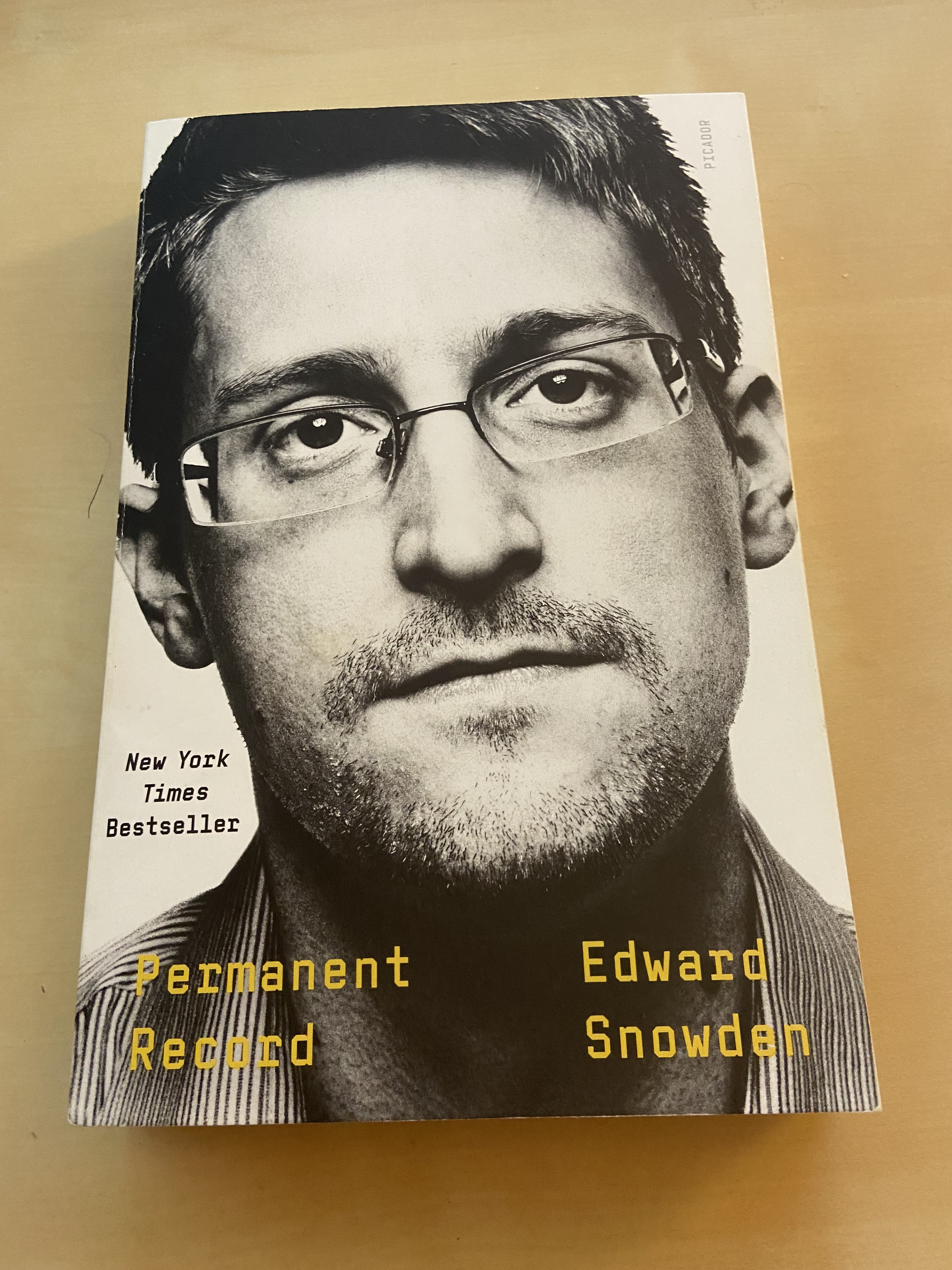
Permanent Record by Edward Snowden

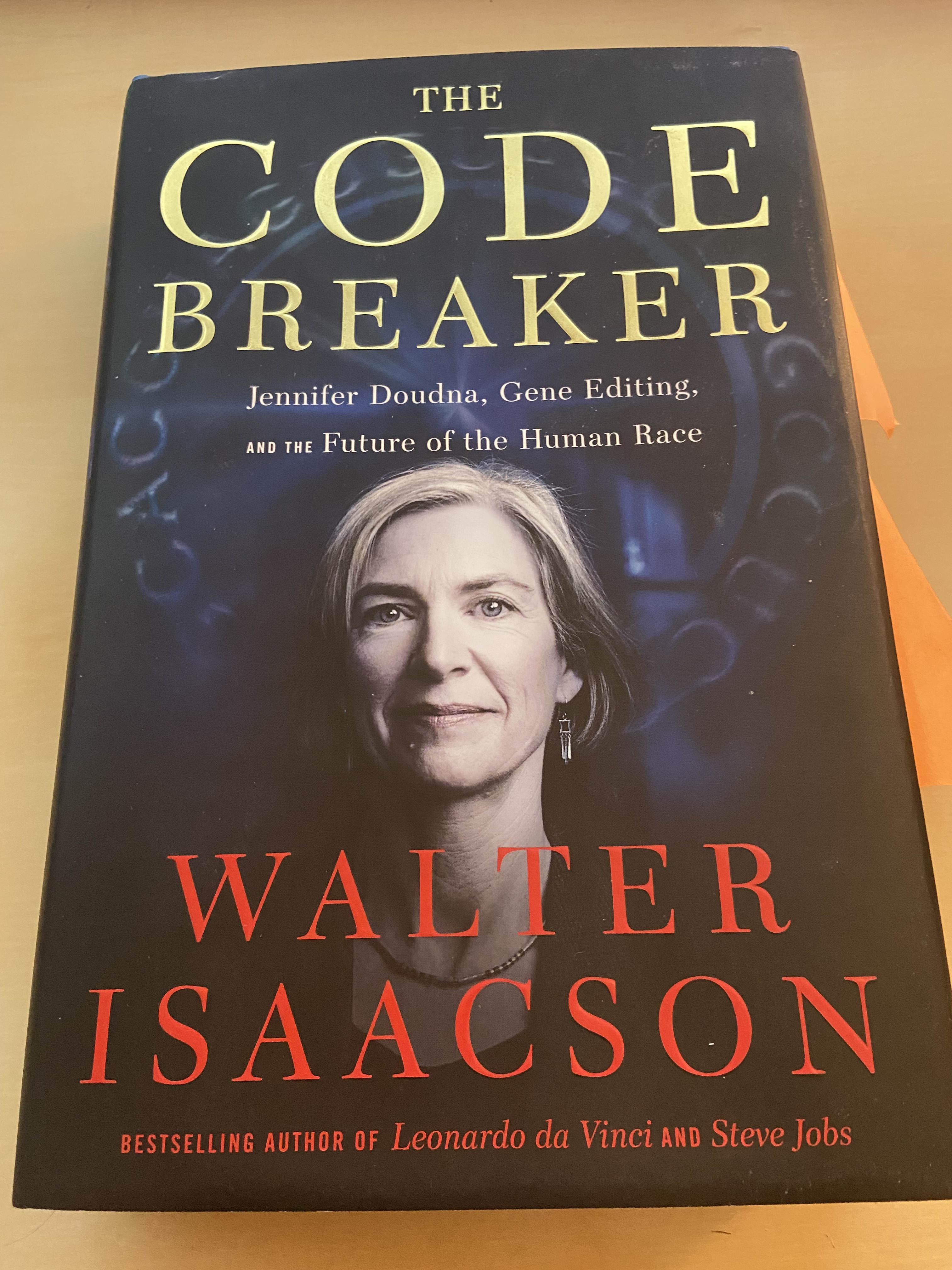
The Code Breaker by Walter Issacson

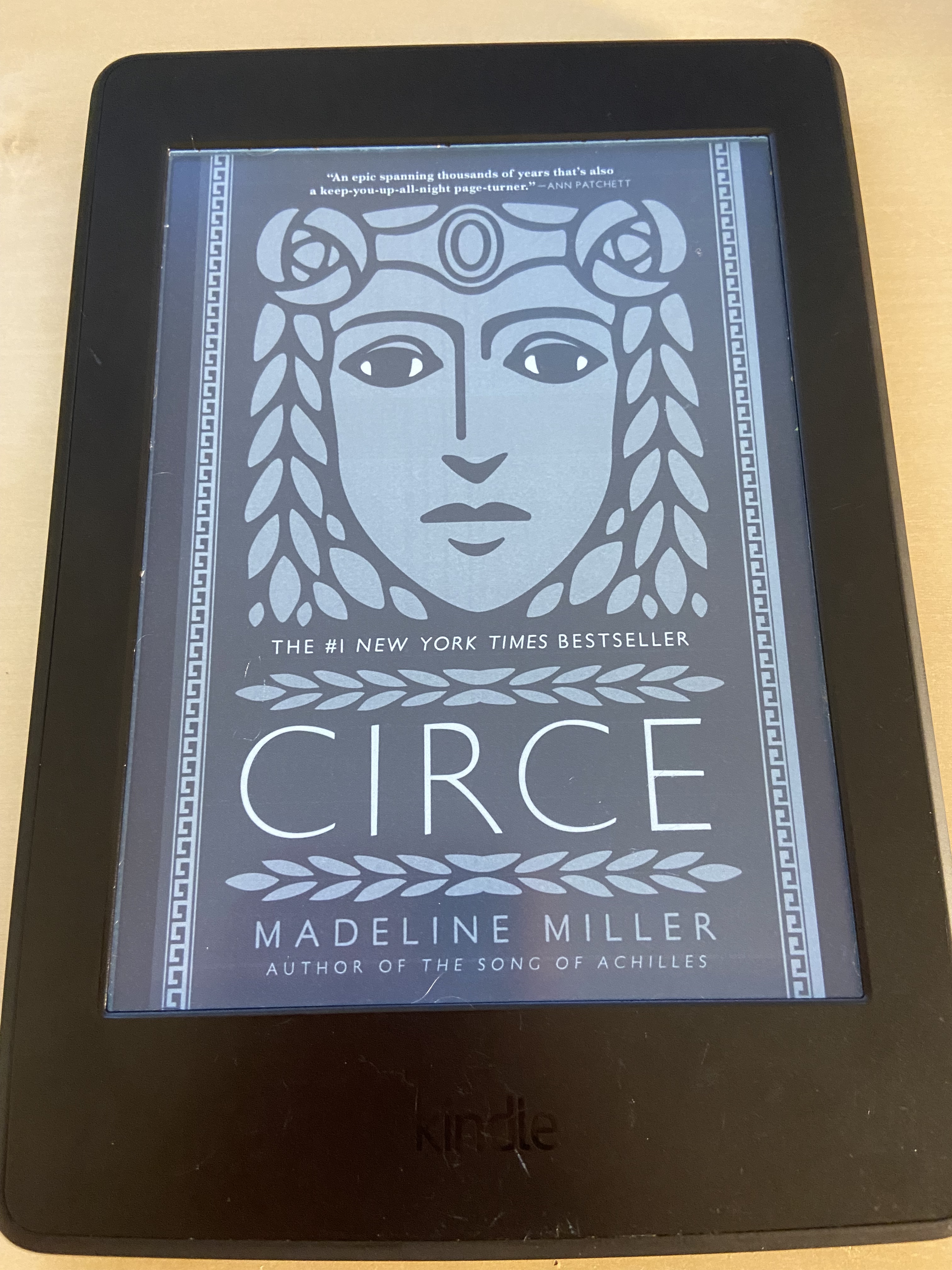
Circe by Madeline Miller

Devolution: A Firsthand Account of the Rainier Sasquatch Massacre

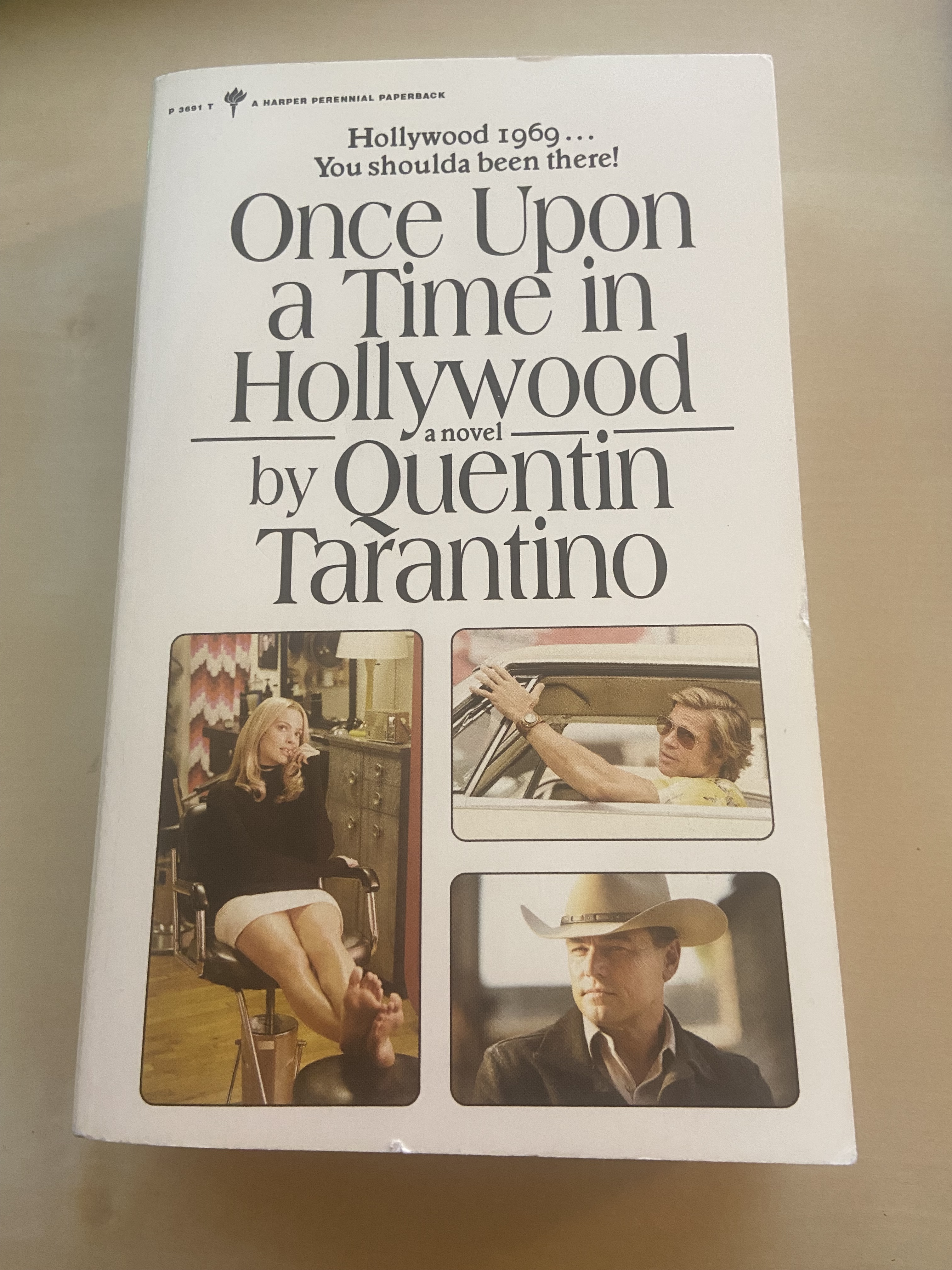
Once Upon a Time in Hollywood by Quentin Tarantino

Liftoff by Eric Berger

Seveneves by Neal Stephenson

Termination Shock by Neal Stephenson

Unfinished Books

So i do have to mention a few books i didn’t finish this year right here, (links for not finished books are to Amazon, links for books I’ve read go to the review):

The Switch by Elmore Leonard

Amazon Link

The Rise and the Fall of the Third Reich by William L. Shier

Amazon Link

Embedded Software Timing by Peter Gliwa

Amazon Link

(I know some might complain that this is an engineering reference book, just be happy i didn’t put cookbooks on this list.)

Four Thousand Weeks, Time Management for Mortals by Oliver Burkeman

Amazon Link

Stamped from the Beginning by Ibrham X. Kendi

Amazon Link

I’ve been about 80% done this one all year and gained a ton by reading it. but I started on this whole writing reviews kick and haven’t gone back to wrapping this one up.

A Thousand Small Sanities by Adam Gopnik

Amazon Link

Liftoff 

By Eric Berger

Published: March 2021

Read: September 28, 2021

Liftoff describes a life and a situation that although not as exciting as it may be I have experienced.  The early days of SpaceX walk the line that is out of vogue now, but can become intoxicating if you catch it.  When people have hard work to do, and are allowed to do it with almost 100% of their waking energy, great things can happen.  Additionally getting the right folks on projects like this is truly helping an addict get what they need and it may never happen for more than a few years in their lives.  

It may seem minor, but the early actors at SpaceX are filled with people with very little else that moves their needle than rocketry and many of those people lose other things because of the desire for space flight.  The double edged sword of hard work (in my view) is that we cant have it all, you only have enough power to do so many things no matter how little you sleep and when you set off to build a rocket you either see it to the end and at all costs you can give or you go to some other job where you can be happy work and go home.  I’m sure some people see that as pure madness and some see that as excitement.  Maybe I’m jealous but i did notice a few details again that allowed the crew here to push everything into their work, living at the office literally, being removed from any other environment worth relaxing in (the first phase of launches described here happened in Quag totally remote) being straight out of college and obsessed with learning something for the first time.

On the optimistic side, whenever something when wrong whether it was minor corrosion on an unsealed fuel tank or something else. I got to feel the same comradely when i flipped an op amp backwards or something melted in the oven when running right to 86C when 85 was just fine.  Engineering or really problem solving for its drawbacks still flips a switch for me and as I get older I can now see that as a little more of a strength than a liability.

Also orbital mechanics is one of those “hard/not hard” kind of things which is why i kept the space and Low Earth orbit theme going by reading Seveneves later in the yaer.

Circe

By Madeline Miller

Published: April 18, 2018

Read August 15, 2021


Circe is a retelling of Greek myths following the demi-goddess Circe, which is why Madeline Miller decided to call the novel about Circe, ahem, Circe.

I haven’t dipped my toe back into Greek mythology in many many travels of the chariot of Helios, so Circe for me was a wonderful return to that world. I love the world building around each of the characters and seeing the fresh (at least to me) perspective on the pantheon of gods, mortals, heroes, and monsters. At the same time I greatly enjoyed the personal stories here. the specific character of Circe really resonated with me in the struggles on what it means to live that I haven’t seen recently. I believe some might add “… as a woman” in some reviews, but I’m not exactly the expert on that particular subject.

As I made my way through the book, I saw the men of Ancient Greek myth weave in and out of Circe’s life as she (mostly) remains on her island.  Hermes, Daedelus, Odysseus, each is a starkly different man interacting with a progressively wiser Circe. In addition, Circe starts the tale being maligned by various outside factors (mostly men) and progressively gets stronger and wiser from those experiences within the book.

The larger myths were on the periphery of my memory from middle school English class as I read. Miller does a wonderful job of retelling these classics through Circe’s own eyes. So many myths are woven in a long life of this woman she has to bear and persevere, whilst events big and small bump up against her relatively solitary life on the island of Aeaea. Not to say Circe doesn’t have agency (she shows this very specifically when it comes to her own children), but the feeling of the book for me was always the tide of life rolling, buffering and shaping, Circe. As life might do to any of us. This quote puts that sentiment to a point, when Circe discusses Odysseus,


“I had no right to claim him, I knew it. But in a solitary life, there are rare moments when another soul dips near yours, as stars once a year brush the earth. Such a constellation was he to me.”


The overall story of the book took the arc of a life well lived, even if ones life is limitless. Events continue to happen to Circe and at some point the book simply stops which took me by surprise. I put some intent behind this but perhaps the mythology simply ran out for Miller. I prefer to see it as, excitement and adventure come in waves, but you will return to your own island and your own chores and prepare for what may come next and battles to be fought. Circe traverses her own life I feel through this book, and although she doesn’t specifically die (spoilers) at the end it ends with reflections on life.


“He does not mean that it does not hurt. He does not mean that we are not frightened. Only that: we are here. This is what it means to swim in the tide, to walk the earth and feel it touch your feet. This is what it means to be alive.”

The Code Breaker

Walter Issacson

Published: March 9, 2021

Read: August 1, 2021


I was looking forward to reading this one. I am, by education and nature, someone who is firmly in the physics camp and not biology at all. Not to mention, someone who usually avoids all things blood, guts or biological. I’m also a man who likes to feel dumb from time to time. I’m most importantly a man who has seen the Ethan Hawke movie Gattaca. So I was excited in reading about genetic engineering, and having Walter Issacson (who’s books on Jobs and Einstein I liked) write it.  This also was the start of my run of physical copy books I bought for a stretch in ’21 after the events of early this year (pictures above taken by yours truly).  A good hardcover has always brought me comfort, even if it becomes a pain as I manage to move between apartments. 

The Code Breaker presents itself on the outset as the story of Jennifer Doudna, an American biochemist who was one of the pioneers of using CRISPR, but ends up including wide cast of characters.  I was a bit surprised, as Doudna’s mentors, mentees, and competitors take center stage for various phases of the book and she disappears for multiple chapters.  When we do follow Doudna, her direct contributions, although scientifically significant, are presented in a way that seem minor or, quite matter of fact.  I would guess this occurred one two ways, one the “miraculous” actions of a previous Issacson subject, Steve Jobs, add more drama to the page, than lobbying for government grants and creating small startups and quickly dissolving them within the medical (genomics) technologies industry.   Doudna as a person just doesn’t have the same cult of personality as jobs so there wasn’t as much to dive into in her own speech or perspectives that wasn’t better suited to putting the community of scientists at the fore. Seems like from the cover and the sub title Doudna was intended to be the main focus before expanding the cast.

This book felt quite light on material.  The color printed photos included are interesting for matching names to faces, but full head shots on single pages felt like they were also there to push the count up to warrant the hardcover size.  Issacson’s also takes pages out of the book (whole chapters actually) proposing thought experiments in genetics as opposed to documenting the scientific state of things or simply quoting other ethicists in the field. Generally, Issacson’s voice is very present in this book to its detriment. Constantly pointing out the possible ramifications of this tech without letting us hear it from the horses mouth. He also may be a bit over worried about losing readers in the technical details and then pauses to hash them over and at least to me it seems unnecessary. I find it odd to think who the audience is that hes trying to placate with this method.

This was a very recently published book on an evolving field as

Gripes aside, I still was happy to have had an introduction to the genomics field and learned many things far outside my wheel house, but I have to think there may have been a better book to do it. As i link below all these people discussed are alive and working in the field today so you can look at who went to what companies and is working on what projects immediately. This is a nice change from reading about many Presidents long dead or fictional characters. I hope that I can find some more books, videos or lectures to help me understand better the field as I see reports in the news.

I don’t want to dive more into the actual here so I’ll just list some personal notes I found interesting.

Random Observations

  • The Germline is the portion of genetic material that you pass onto your offspring as opposed to genes that will not. Some genetic editing debates described in The Code Breaker are centered around crossing the germ line.
  • Doudna’s early work parallels some of the feelings my own path in electronics design engineering
  • “Never do something a thousand other people are doing”
  • Replication of RNA is independent of DNA
  • In scientific publications the first author is the hands on scientist (usually younger or a grad student) and the last author runs the lab the experiment was run in.
  • Genomics made a shift from RNA to DNA editing.
  • Tansopons : jumping genes
  • “phase problem” crystalography
  • This is the second book I read this year that discusses The two-body problem in academics.
  • The dicer enzyme is part of a coronavious the messanger RNA method to develop the rececnt COVID-19 vaccines.
  • There are 92 Cas genes\CRISPR associated enzymes 

Once Upon a Time in Hollywood

Quentin Tarantino

Written: June 29, 2021

Read: September 3, 2021

Rick thought, I don’t wanna do no Italian movies. I DONT WANNA DO NO FUCKING ITALIAN MOVIES. Rick said.

Quentin Tarantino, Once Upon a Time in Hollywood

Man that Once Upon a Time in Hollywood book is definitely a book for people who love Tarantino and Once Upon a Time in Hollywood specifically.

I enjoyed it greatly.

Permanent Record

Edward Snowden

Published: September 17th 2019

Read: June 22, 2021

This was not a well written book.

But more importantly, this also wasn’t a very interesting book.
There were some insights that I liked towards the end which made it entirely enjoyable enough for me.

Edward Snowden’s autobiography spans Snowden’s entire life and is a portrait of a man who seemingly has everything figured out.  This is a man who is trying to put his spin on the story, and build up his own character as a person of moral conviction, a child of civil servants who was instilled in his own mind the need to fundamentally serve his country.  A man who writes about his savant like interaction with computers throughout his childhood. A young man who took a noble stint in the military early on that got him injured,  where he was almost locked in Ft. Meade on 9/11.


This is a very stiffly written account, and unfortunately for me I may have been lead down this path when I saw an online review before finishing Permanent Record about the writing style.  That review managed to take the approach that Ed Snowden portrays himself as the smartest man alive.  Hey did you know, that video games got people into computers? Is just one almost painfully cringey few pages in the book. I suppose what I was looking for from this book was an instruction manual on how to use proper protection when dealing with nefarious denizens of the internet, coupled with the detailed events of how Snowden actually was extricated to Hong Kong where I watched the documentary CitizenFour by Laura Poitras. 


That documentary is much more interesting than this book. Other than a few references to using Signal for end to end encryption, and how in the wake of his actions, Congress has some larger level of awareness of private citizen surveillance than before, many details remain in the last third of the memoir. The material regarding the courts in particular and the methodologies available (or not) through the three branches of government were very enlightening. Specifically the limitations of information getting shared or even reviewed between the Legislature and the Judiciary. The interactions between Wikileaks and Snowden were very intriguing as well as the interactions between Ed and the Russian government.  I have nothing to base this on but the interactions with the Russians seems to be somewhat glossed over from what actually occurred, but that might be attributable to Snowden’s writing style.

One part that fascinated me was how did Ed managed to get his girlfriend to stick with him through this whole series of events. The way he tells it they were on the rocks to begin with and actually seemed to be totally broken up and then through some mysterious ways she extricates herself to Moscow with Snowden to get married and live their limbo criminal life. His efforts early on at metaphor approach my own sophistication when making some vague references to the Pantheon of Olympic gods to the intelligence community.

I don’t know Snowden, but he writes like any sort of anti-social nerd I’ve met throughout my life.  The tone becomes a bit grating because observations and deductions are stated as fact occurring a priori to Ed.  He’s the smart guy so it occurred to him to re purpose an old computer to make copies of programs from STELLARWIND or what have you.  Its also quite funny at bits.  Like the idea that in theory all program names are supposed to be random but that rule is constantly broken to get people having interesting sounding projects to work on. Alas, Permanent Record could have used more of this for me and less diatribes into Mario’s parallels to the information state.

Leadership: In Turbulent Times

Doris Kearns Goodwin

Published: September 18, 2018

Read: May 29, 2021

To be honest, I read this book to see how I stacked up to presidents.  Its not flattering to admit. Until the events of 2020 I had a low regard for presidential or any leadership.  


At some point the human at the top is irrelevant, right? The process and system (checks and balances) put into place supersedes anything that a single actor man can do.  Public polls, the press and the gossip feedback loop of the 24 hour news cycle (featuring twitter) and perpetual internet click bait had me convinced of the lack of agency or impact leaders actually have.

 
At some point during the COVID-19 pandemic, observing a leader focusing intently on proving his critics wrong and maintaining a winning argument, in contrast to attempting to create some connection with the millions watching him on the screen my mind changed. I found myself realizing that perhaps not legislatively but psychic a leader of men must represent those men and there is value to that psychic collective as opposed to just the nuts and bolts of legislation. No matter how large the organization there is calm, or direction, or purpose that can be put into one man who can make a difference.  Coming out of Leadership in Turbulent Times helped me in this regard.

Goodwin separates the portions of the book into the phases of each Presidents career rather than making a section on a single man. The early years, middle phase, and presidential leadership principles are hit for each man.  I presume that much of the material discussed here was already covered in her other books, but based on my remembrances of reading 40 pages of Team of Rivals in 2010,  the Lincoln material at least seems to be reaching further back in time that what that books focus was.  This time phasing of each of the men really is straddling to see how each dealt through phases of their own life.  From early days to the peak of their presidential contributions to leadership and then their post presidential years.

Goodwin frames Leadership as a guiding framework or case study more than a direct history.  Digging further into the working mental modes of each of the presidents and highlighting their differing personalities which is shown more in the early years and reinforced later.  Lincoln comes off as a massive depressive who is willing to experiment and shift his positions as he and the country developed.  Teddy Roosevelt singular focus on engaging with the large beasts whether they were physical or metaphorical. Franklin Delano Roosevelt smiling and laughing with his friends and as his body failed him. Lyndon Johnson working frantically through his life from being an educator to a politician.

Now I’ll write about me again! What is my own leadership style? To grab something and polish it until it’s fit to spit back out. Like Lincoln with the hard piece of metal slowly scratching into it until its bound to the memory for all time. Or am I more Johnson-esque “freeze out”,  showering co workers with affection and assuming performance and loyalty until that fades and then I withdraw entirely.  After reading this book, I would like to be a badass like Teddy Roosevelt, LBJ makes me feel like i don’t work hard enough, Lincoln would be just as depressed as i was and we wouldn’t have any fun, and FDR isn’t someone I want to hang out with no matter how much he lead America through a trying time.

Interesting to note that each of the presidents were connected to the previous in a way. Roosevelt used Lincoln numerous times as a basis, FDR as Theodore as well and Johnson was directly the protege of FDR going forward.

Yet the core of the book is an examination of four men who just happened to be president and analyzing how they dealt with the needs of the office with different strategies.
Self help has run dry for me in my 30s so perhaps history can help


What is well-spoken must be yoked to what is well-thought. And such thought is the product of great labor, “the drudgery of the law”. Without that labor, without that drudgery the most eloquent words lack gravity and power”

Abraham Lincoln


“A second class intellect but a first class temperament”

Supreme Court Justice Oliver Wendell Holmes Jr. About Franklin Delano Roosevelt


” Do what you can, with what you have, where you are.”

Theodore Roosevelt


“You have to realize that a politician -a good one – is a strange duck”-

Lyndon Johnson

Travels with Charley: In Search of America

John Steinbeck

Published: 1962

Read: June 4, 2021

So I set off to read a travelogue by a novelist dead for 52 years in the year 2021.  The year where many across the world are longing to get to a new locale apart from their own work at home tombs.  Perhaps that opinion is only from just those of us who are sick of staring at the same four walls in this time of the pandemic, no matter.  John Steinbeck is a man from a different age.  He wrote Travels with Charley as a road trip memoir of a man, his dog, and his converted pickup camper.  And so, Casual drinking with strangers, lamenting the changing country and prevalence of freeways ensues.  Even with the salt of the earth topics, Steinbeck polishes his words to be profound and literary, but to my eye this is the voice of man long dead and who seems familiar.  While reading this book I kept thinking whether my grandfather as a younger man would have had the Steinbeck sensibility.  As described in Travels with Charley, Steinbeck was a veteran of World War II who was struggling to finish The Rise and Fall of the Third Reich. For days after, I wondered if he ever managed to finish the book or if that even mattered.


I should point out, the Charley in the title refers to Steinbeck’s pet poodle who accompanied Steinbeck throughout a traversal of the country. The travels, were a pleasant sepia-tone of a time a surprising long time ago told by a man who wasn’t engaged in the summer of love but was looking over his middle age and pushing into his own end. A man who styles himself as Don Quixote with his pickup truck christened the Rocinante.  This book is a time capsule who parallels today are uncanny and Steinbeck was a man who talked seriously and then took him self to be a fool clearly.  When lamenting on pasteurization he ends the argument with this

 
“The lines of change are down. we or at least I, can have no conception of human life and human thoughts in a hundred years or fifty years.  Perhaps my greatest wisdom is the knowledge that I do not know.  The sad ones are those who waste their energy in try to hold it back for they can only feel bitterness in loss and no joy in gain”


Steinbeck also comments on the nature of vaccine mandates which gave me a chuckle from here in 2021. Once he is trying to travel across the border into Canada he gets interrogated by the official at the border for charlies rabies shot. In this instance, Steinbeck shows me at least he is a rugged individual who is smart enough to know when to draw the line.

  
“And it is usually so with governments- not a fact but a small slip of paper”


” For this reason I cannot commend this account as an America that you will find. SO much there is to see, but our morning eyes describe a different world than do our afternoon eyes, and surely our wearied evening eyes can report only a weary evening world” 


There is some controversy (I googled) on this book of whether the events are true. I’m not entirely sure that this matters to my reading of the book or me as I got at least one mans view of the country in an older time and got some beautiful prose.  In any case as Steinbeck admits, the journey was a bit more of an idea than an actual experience held to plan.  As i look back through my highlights i find again no events that are worth pointing out but more the internal monologues of the man with the vision of a sleeping bag and a bottle of whiskey in the back of a pickup truck sleeping next to a dog.  


Many quotes nicely sit with as i read them and look back now, I hope I can keep it handy in the future for a sounding board on life. A book I thoroughly enjoyed reading in these times as a teleportation to a time and prose that felt warm and comforting if not a bit alien.


“I find this interesting, but it does make for suspicion of history as a record of reality”

The Three Body Problem

Liu Cixin

Published: November 11, 2014

Read: April 12, 2021

The Three Body problem is the first science fiction novel I’ve read in some time.  The last one I dove into reading was the Peter F. Hamilton Commonwealth Saga, which was some sprawling epic of 2000+ pages between two parts, this book is not as long and not nearly as sweeping, but has such a different view on sci-fi than I’ve seen the past.


The Three Body Problem
struck me on two fronts.  One, the hard science fiction elements. The three body problem itself I was unaware of (and should turn in my science card). It describes how in a system of two bodies and their gravitational interactions the orbits can be calulated in a straightforward manner, but when three bodies are involved the system is so chaotic that it cannot be calculated and predicted without an extreme level of mathematics.

The second notable aspect was the Chinese perspective that pervades the novel. This being in direct contrast to much of the sci-fi and any novels i have read in my adult life which now that i think on it must have been written by Brits or Americans in the 1960’s.  Historical figures from Chinese history make appearances and I’m sad to say without the footnotes I would have had no idea who they were. The cast of characters acts quite alien to me at times but I take at least a part of this writing style to be from being translated from Chinese and having the actions of non American culture at play. Apart from aspects I assume to be Chinese the writing style is quite interesting. The secondary characters are all very stereotypical (corrupt detective with cigar, overly serious general) and at a certain point the “main character” exits the plot and is replaced with another character. There are sequels to the book so perhaps this is addressed somewhere else.

The narrative bobs and weaves between characters ultimately effected by the influence of the unseen but heavily influential Trisolaris society, and although a few threads and characters are brought in. Ultimately the story coalesces upon one character Ye Wenjie.  a woman who is shaped fundamentally from coming to age amidst the Cultural Revolution of China and (perhaps) dooms humanity based on her own view of it.  

Lincoln in the Bardo

George Saunders

Written: February 14, 2017

Read: March 28, 2021

As I started with this review, I thought that I should transcribe some quotes here, but ultimately I decided each individual quote taken just in a vacuum would just diminish the impact they had within this novel.  Lincoln in the Bardo is a surreal experience that plays with language and reality and transcending death. Which made it Jake’s beach read pick for the year.

Firstly, I didn’t like this book nearly as much as the short stories i read of Saunders after i read this (I’m writing this review in November 2021).  This book can best be described by me as a meditation.  Various characters are tent-poles of the many ways to live and what level of I suppose penance you need to pay to reconcile your past and become something beyond your life.  Oh and yes, this story does include President Abraham Lincoln.


Without spoiling much, the book is written so different characters change different prose styles which gives this novel a short story collection within a larger arc structure.  Its a novel of death primarily and a story of ghosts( or ghostly people or spirits or something else) grappling with their lives and moving towards some other afterlife.  It has a fantasy pastiche mashed into eastern religion. It left me somewhat unsatisfied but entertained and with a few more ideas floating around. I also am a person who has both prayed and meditated and considered the boundary between the two at the personal level over the years, so I may just not be as open to seeing this as fundamentally new. This is in contrast to when I read Siddartha by Herman Hesse a few years back which did give me a new perspective.

Ok I give up, I’ll put this quote here, this is probably better than any more commentary I can give:


“Tying a shoe; tying a knot on a package; a mouth on yours; a hand on yours; the ending of the day; the beginning of the day; the feeling that there will always be a day ahead. Goodbye, I must now say goodbye to all of it.”

This section comes towards the end of the novel and really gets to one of the core issues (or perhaps a core feature) of Lincoln in the Bardo. Ultimately this book should be read aloud, and towards having someone else read it and talk about, even if the impact it had was not new territory for me.